All Categories
Featured
Table of Contents
These employee-centric techniques manifest in variables like worker experience, staff member engagement, mental health, work-life balance, favorable career development, and more. Organizations will focus on enhancing the employee experience in 2025 to draw in and keep top skill, increasing performance and decreasing turnover rates. The COVID-19 pandemic sped up remote work, benefiting employees and organizations.
Therefore, it becomes necessary for HR leaders to modify rules and discover new performance management and communication methods because of these improvements. These hybrid work designs also make it possible for employees to integrate their individual and expert lives and maintain a while minimizing travel time and expenses. They also permit companies to access a bigger skill swimming pool by developing a culture that appreciates staff members' talents and performance more than their presence in the office.
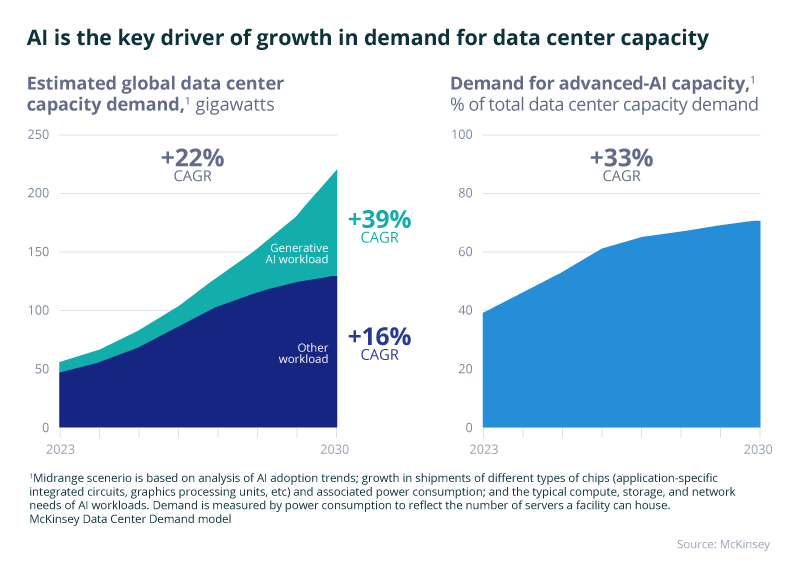
Even more, the hybrid work design talent management pattern in 2025 will help organizations in accessing various perspectives and experiences, encouraging innovation and creativity. AI has actually emerged as a transformative force in recent years, and 2024 might witness a new measurement of automation, leading to the adoption of AI-driven talent management tools.
HR professionalsmust embrace AI to improve employee engagement, experience, and efficiency management. According to AIHR, by 2025, 75% of HR experts will be using AI-powered solutions, automating 40% of jobs and enabling HR to concentrate on strategic operations. Further, the recent upgrade that has changed the HR paradigm is generative AI.
Optimizing Business Processes for Global Growth
By automating repetitive work and improving human capabilities, generative AI can enhance task style. It can also generate insights and make data-driven decisions in HR practices such as employing, screening, talking to, and onboarding. Examining information and establishing individualized training programs can also help companies in establishing and keeping skill. Staff member well-being and psychological health will be very important in 2025, triggering firms to purchase wellness services and talent management platforms that measure well-being KPIs and supply psychological health support.
It includes cultivating inclusive cultures in which employees feel appreciated and supported, resulting in enhanced task fulfillment and general wellness. Furthermore, staff members are encouraged to contribute more and much better when they feel acknowledged for their distinct skills and contributions. Talent management patterns in 2025 will witness a shift from standard to agile performance management designs.
Agile performance management (the focus of talent management trends in 2025) is a versatile, ongoing, and collaborative method to handle employee performance. It integrates worker objectives with organizational top priorities, offers regular feedback, and recognizes achievement based on actions and outcomes. Nimble performance management benefits the employees and the organization. This appears from the Enterprise Apps Today statistics, which suggest that enterprises releasing nimble designs are 25% more productive and 50% faster.
Corporate Expansion Frameworks for GCC America Market
This procedure involves identifying and developing potential future leaders within the company to ensure a smooth transfer of crucial roles and duties. Succession planning contributes to overall performance and sustainability by preventing disturbances and maintaining leadership connection.
Compliance and security in talent management are very important because of the growing focus on information security legislation. must guarantee that their skill data is safe and secure and follow all appropriate legal requirements. Establishing compliance is not just a legal requirement however also makes sure employee trust and commitment by protecting personnel confidentiality.
To stay alert about possible risks and maintain the confidence of both employees and stakeholders, HR specialists must continuously examine and upgrade their security procedures. Organizations needs to focus on ongoing ability advancement as innovation establishes and job roles progress. HR professionals should guarantee workers have the abilities to adjust to shifting industry requirements while adding to the business's success by supplying regular training chances and cultivating a continuous learning culture.
By using tools and motivating possibilities for self-directed knowing, HR managers might inspire employees to organize their education and development. The current innovation can help with these operations, making obtaining training materials and tracking personnel efficiency simple. Efficient learning management systems (LMS) and individualized training programs are crucial for corporate dexterity and competitiveness.
Best Practices for Upskilling Internal Talent Within Capability CentersThe Rise of GCC America Expansion in 2026
VR makes lifelike simulations possible and is the perfect tool for high-stakes environments or services. On the other hand, by superimposing digital details over the physical world, enhanced reality (AR) enhances on-the-job training.

Business utilizing these technologies will have an advantage over competitors in luring, nurturing, and keeping exceptional personnel. The key talent management trends in 2025 demand organizations remain notified, adapt to these trends, and take advantage of talent management tools to create an engaged workforce ready to step in when needed. Engagedly is a leading service provider of skill management options, focusing on variety and addition, information management, security, efficiency management, AI integration, and remote work.

Latest Posts
Leveraging Business Process Optimization for Maximum ROI
Navigating International Labor Laws for GCC Growth
Detailed Analysis On Global Talent Hub Evolution